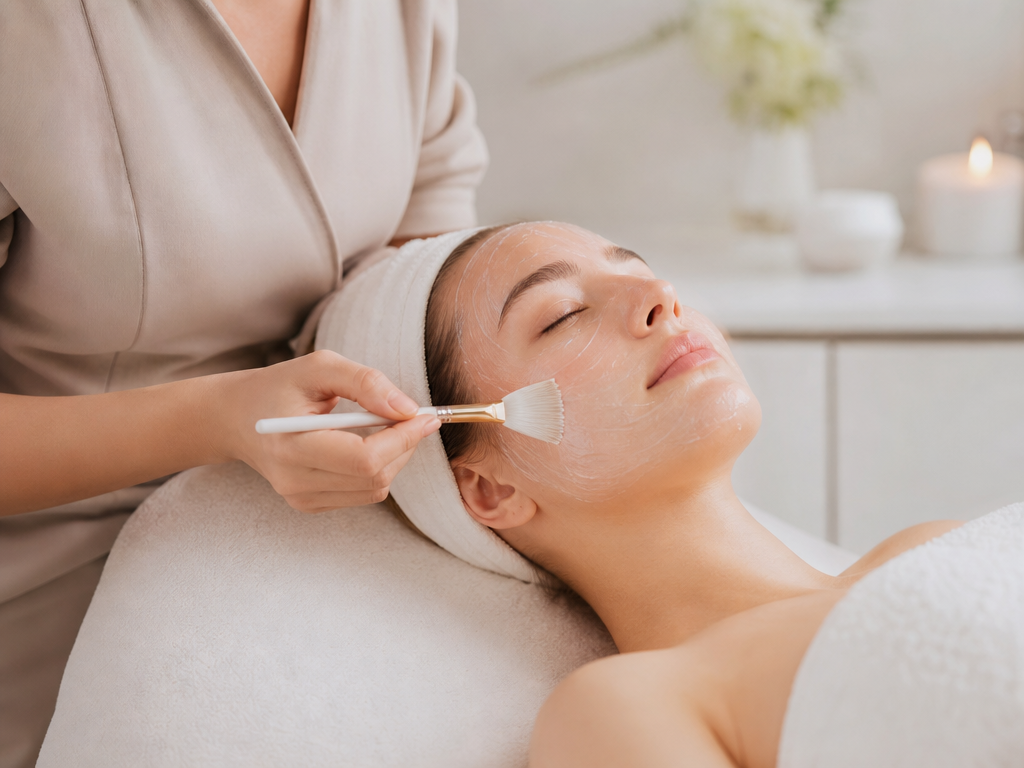
Facial Spa in Da Nang for Sensitive or Red Skin: Gentle Options That Still Deliver Results
If you have sensitive, red, or easily irritated skin, booking a facial can feel like a gamble. Many people worry that extractions, acids, scrubs, or strong “brightening” treatments will leave their skin hotter, tighter, or even more reactive than before.
The good news is that the right facial spa in Da Nang should never push fragile skin beyond its limit. A well-chosen treatment should help calm visible redness, support the skin barrier, and improve overall comfort first—while still creating real, visible improvement over time.
For reactive skin, the best facial in Da Nang is not necessarily the strongest one. It is the facial that matches your skin’s current condition, respects its limits, and gives it exactly what it can safely handle right now.
Why sensitive or red skin needs a different facial approach
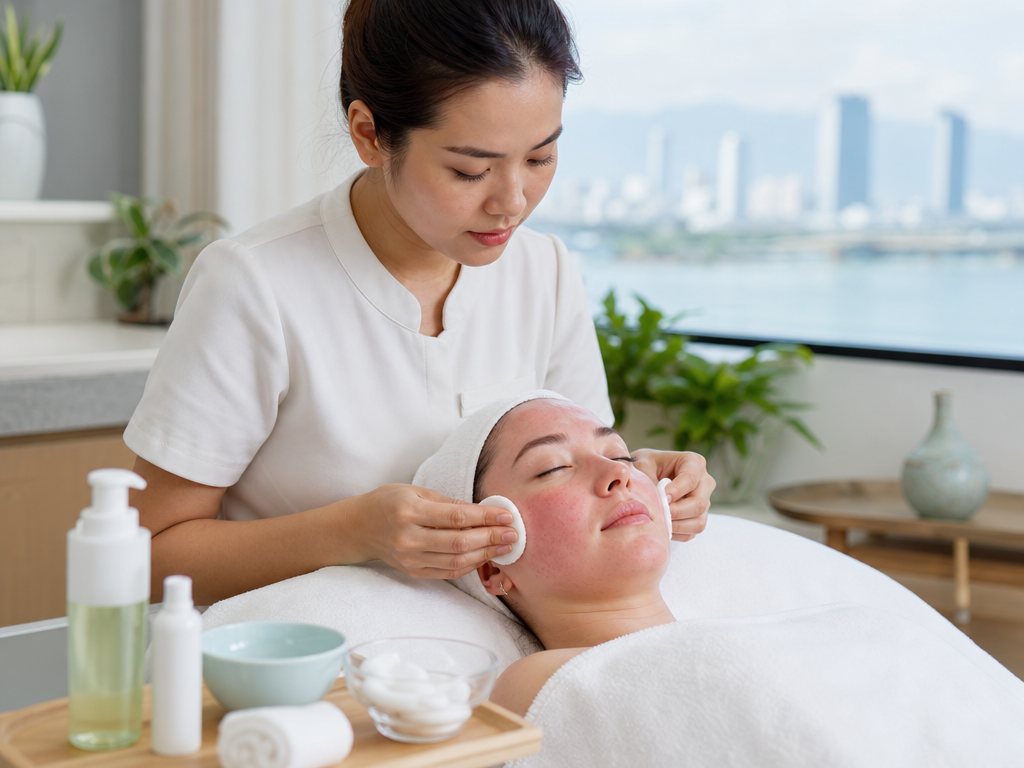
Sensitive skin is not always a fixed skin type. In many cases, it is a temporary skin condition triggered by over-exfoliation, harsh active ingredients, sun exposure, acne treatments, stress, or a weakened moisture barrier. When the barrier is compromised, skin loses hydration more easily and becomes far more vulnerable to irritation.
Common signs that you may need a gentler, recovery-first facial include:
- Persistent redness or flushing
- Burning or stinging when applying skincare
- Tightness after cleansing
- Dry patches combined with oiliness
- Unpredictable reactions to new products
- Breakouts that appear alongside irritation
- Skin that feels thin, hot, or fragile
When these signs are present, aggressive exfoliation or strong brightening treatments are often not the best first step. Before focusing on glow, pigmentation, or resurfacing, the skin usually needs stability.
A helpful place to begin is understanding what your skin is actually telling you. Understanding Your Skin: The First Step to Effective Treatment at Coleni can help you recognize when your skin needs recovery instead of stimulation.
When to choose calming over aggressive exfoliation
Many people assume that dullness, congestion, or uneven tone automatically call for acids, peels, or intensive cleansing. But if your skin is already red, sore, or sensitized, a stronger treatment is not always a better one.
Prioritize calming first if:
- Your skin burns when products are applied
- Redness lasts for hours instead of minutes
- You recently used retinoids, exfoliating acids, or acne medication
- You notice irritation after sun exposure
- Breakouts are inflamed and your skin feels raw
- Your face has reacted badly to strong facials in the past
In these situations, an experienced practitioner will usually reduce stimulation, avoid unnecessary friction, and choose steps designed to hydrate, soothe, and strengthen the barrier.
That is why many clients with reactive skin respond better to treatments such as Skin Recovery rather than jumping straight into a peel or a more intensive correction-focused service.
What recovery-first treatments actually do
A recovery-first facial is not a “do nothing” treatment. It is a strategic reset. The goal is to bring the skin back to a healthier baseline so that future treatments can work more effectively and with less risk of flare-ups.
A gentle facial for red or reactive skin may focus on:
- Low-irritation cleansing
- Replenishing hydration
- Reducing heat and visible redness
- Supporting the skin barrier
- Minimizing inflammation
- Using non-aggressive actives
- Avoiding rough exfoliation or over-extraction
For example, Aqua Cleansing can be a good option for clients who want cleaner, fresher skin without the harsh feel of a more aggressive deep-cleaning facial. If dehydration and sensitivity are happening together—as they often do—Hyalu Xtra may be a better fit than exfoliation-heavy services.
When redness is the main concern, targeted calming support such as Redness PDT Treatment may be more appropriate than resurfacing treatments that increase stimulation.
Can you still get results with a gentle facial?
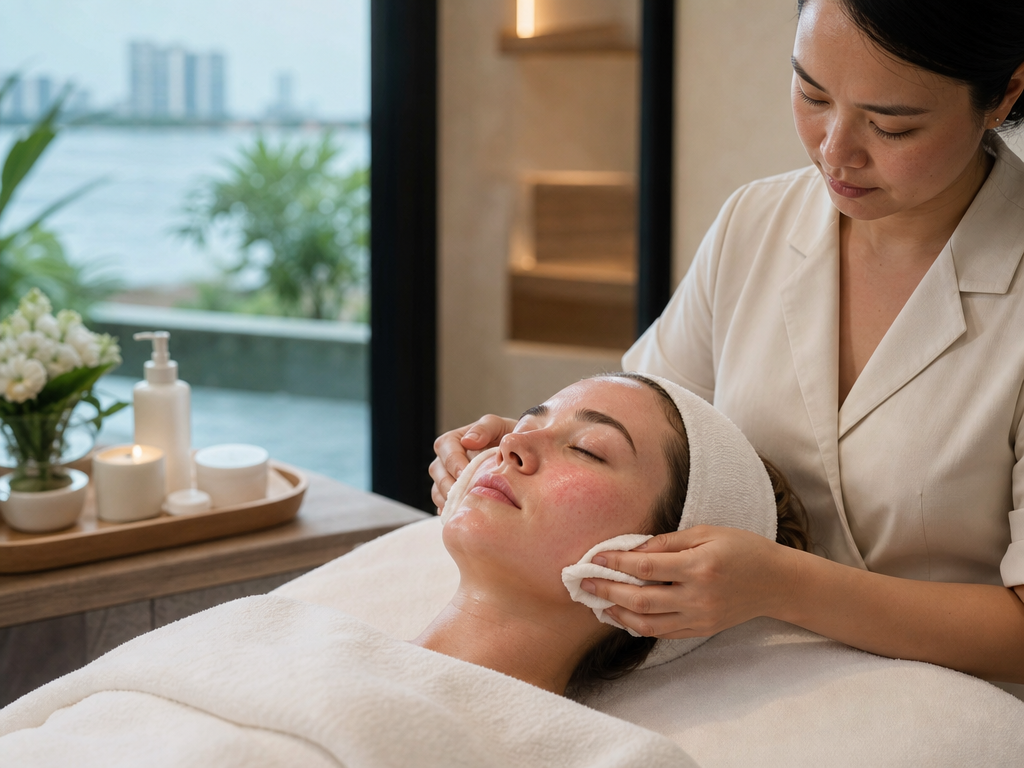
Yes—but for sensitive skin, it is important to define results correctly.
Real improvement for reactive skin often looks like:
- Less daily redness
- Fewer flare-ups
- Better hydration
- Reduced tightness and discomfort
- More tolerance to skincare
- Smoother texture over time
- A healthier glow once inflammation settles
This matters because irritated skin can mimic other concerns. What looks like dullness may actually be dehydration. Rough texture may come from barrier damage. Breakouts may worsen because the skin is inflamed—not because it needs harsher treatment.
Once the skin is calmer and stronger, your provider can reassess whether brightening, acne-focused, or collagen-supporting treatments make sense. Gentle does not mean ineffective. It means appropriate, safe, and better aligned with what your skin needs now.
How to know what kind of facial to book
If you are searching for the best facial in Da Nang and your skin is sensitive, avoid choosing based only on trendy treatment names or dramatic before-and-after marketing. Instead, ask the right questions first.
1. Will my skin be assessed before treatment?
A proper consultation is essential, especially if your skin reacts easily.
2. Is the goal to calm, repair, or stimulate?
Reactive skin usually needs calm and repair before stimulation.
3. Will the treatment be adjusted for redness or barrier damage?
A good provider should tailor the treatment steps, intensity, and products.
4. What should I avoid before and after the facial?
This is especially important if you use retinoids, acids, or acne medications.
5. Is there a plan beyond one session?
Sensitive skin often improves best through a series of well-paced treatments rather than one aggressive appointment.
If you want a broader framework, How to Find the Best Facial in Da Nang for Your Skin Type is a useful next step.
Gentle does not mean one-size-fits-all
Not all redness has the same cause. Some people are mainly dehydrated. Others are over-exfoliated. Some deal with acne and sensitivity at the same time. Others struggle with chronic flushing or post-inflammatory redness.
That is why a quality facial spa in Da Nang should offer more than one approach. One client may benefit most from hydration and barrier support. Another may need calming combined with acne management. Someone else may only move into brightening treatments after their skin becomes stable again.
If you are comparing options, the full service menu can help you better understand the difference between cleansing, recovery, hydration, and treatment-focused facials.
Calm first, then correct
Sensitive skin usually responds best to patience. Trying to force faster results with stronger exfoliation can prolong redness, delay healing, and make the skin even less predictable. A recovery-first approach may seem slower at first, but it often leads to better long-term results: a healthier skin barrier, more consistent tolerance, and safer progress with future treatments.
If your skin is red, reactive, or damaged, the smartest next step is not to guess. It is to choose a facial strategy that begins with calming, repair, and expert skin assessment.
Ready to find a facial that respects sensitive skin? Explore gentle treatment options at Coleni Beauty, compare the right services for your condition, and choose a plan designed to help your skin feel calm, supported, and visibly healthier.